Welcome to our Community Siyakwamukela...
Nestled in the heart of the Amajuba District, eMadlangeni Local Municipality is a region where deep history, vibrant agriculture, and breathtaking landscapes converge to create a place of unique character.
A Farming and Agricultural Heartbeat
A Destination for Adventure and Discovery
A Vast and Breathtaking Landscape
Centrally located on the R34 route, 52km east of Newcastle and 68km west of Vryheid, eMadlangeni serves as a scenic gateway to northern KwaZulu-Natal.
A Land Steeped in Ancient and Modern History
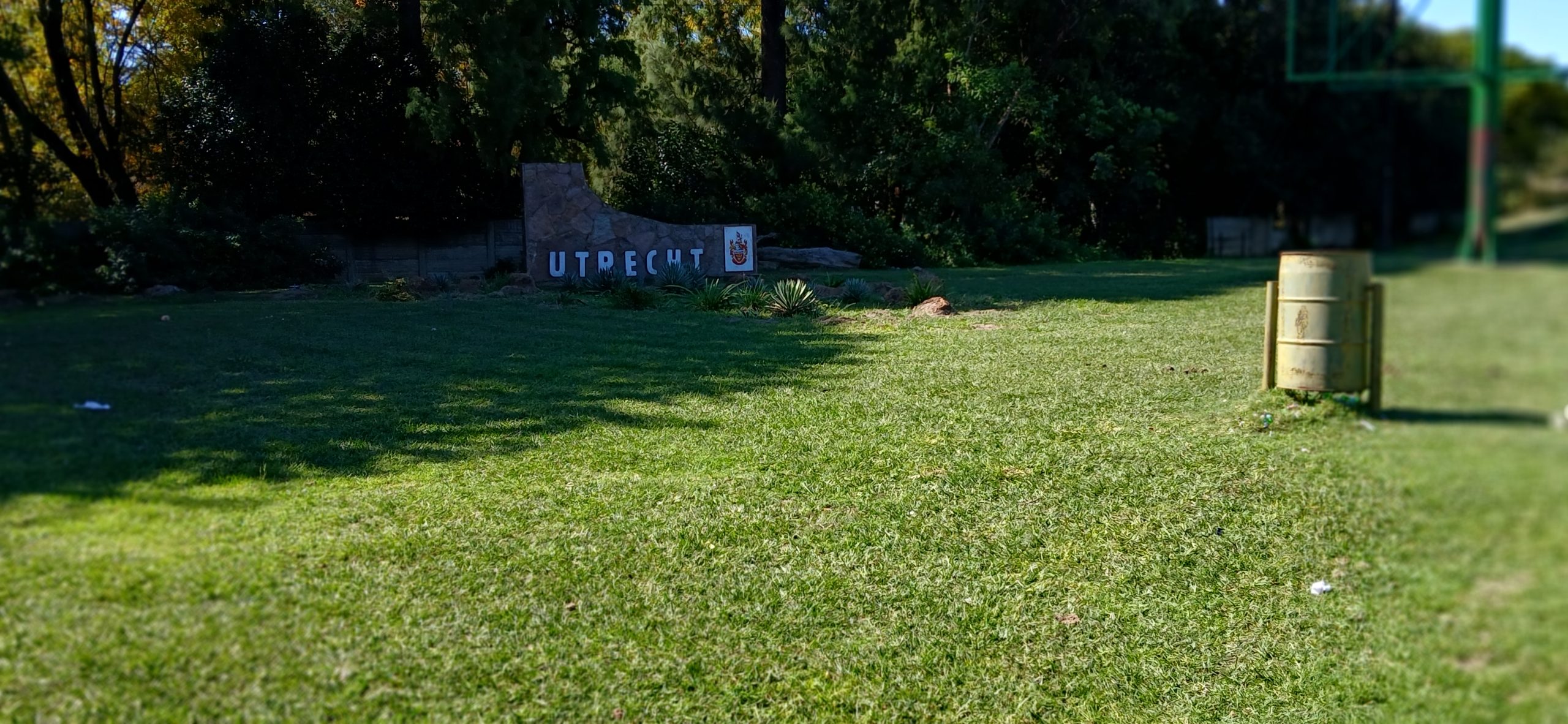
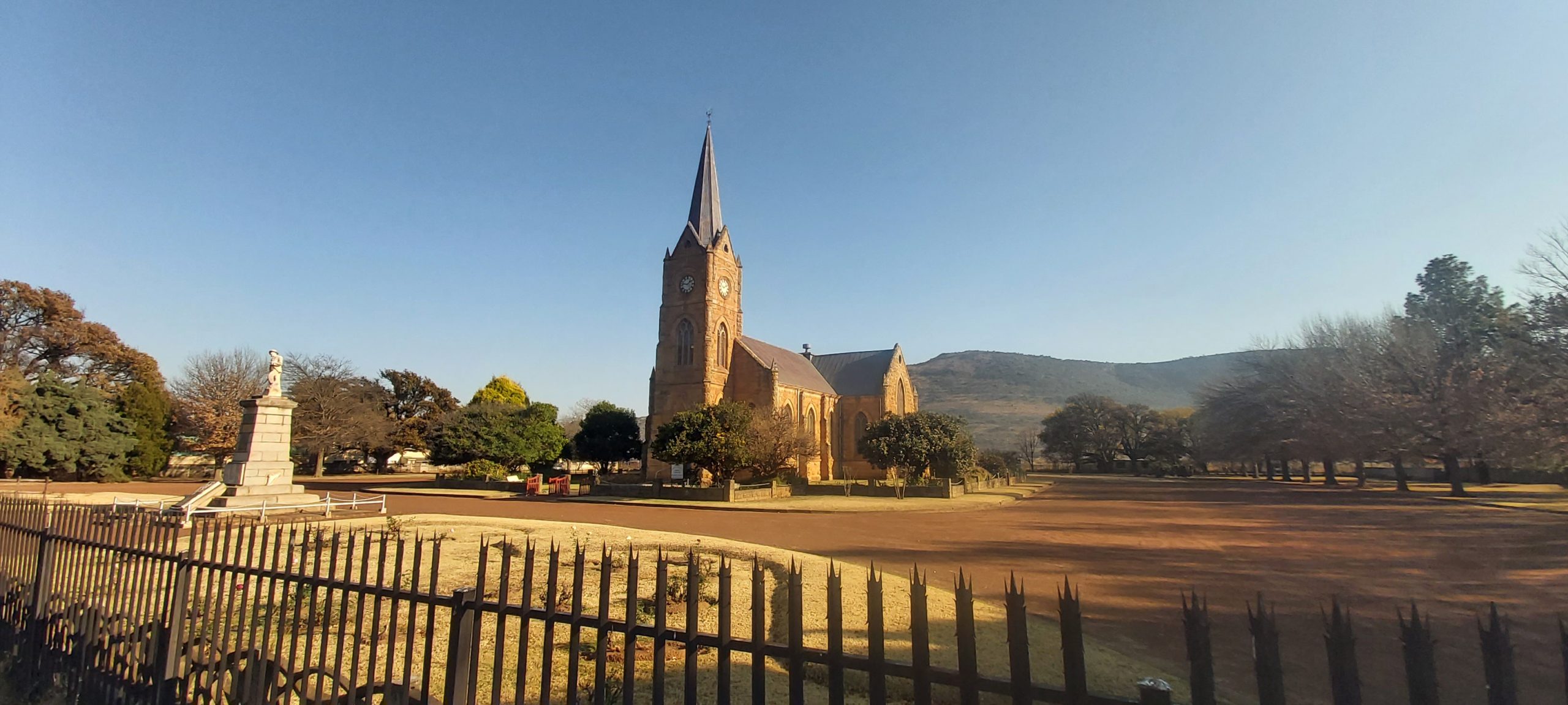
Long before its official founding, this land was the heart of Hlubistan, the ancestral territory of the AmaHlubi nation. Their leaders, known as skilled warriors and rainmakers, governed from homesteads like Nobamba near present-day Utrecht. The tumultuous early 19th century led to their displacement, creating a shift that paved the way for the town of Utrecht to be founded in 1854 on land purchased from Zulu King Mpande. This makes Utrecht one of the oldest settlements in the province.
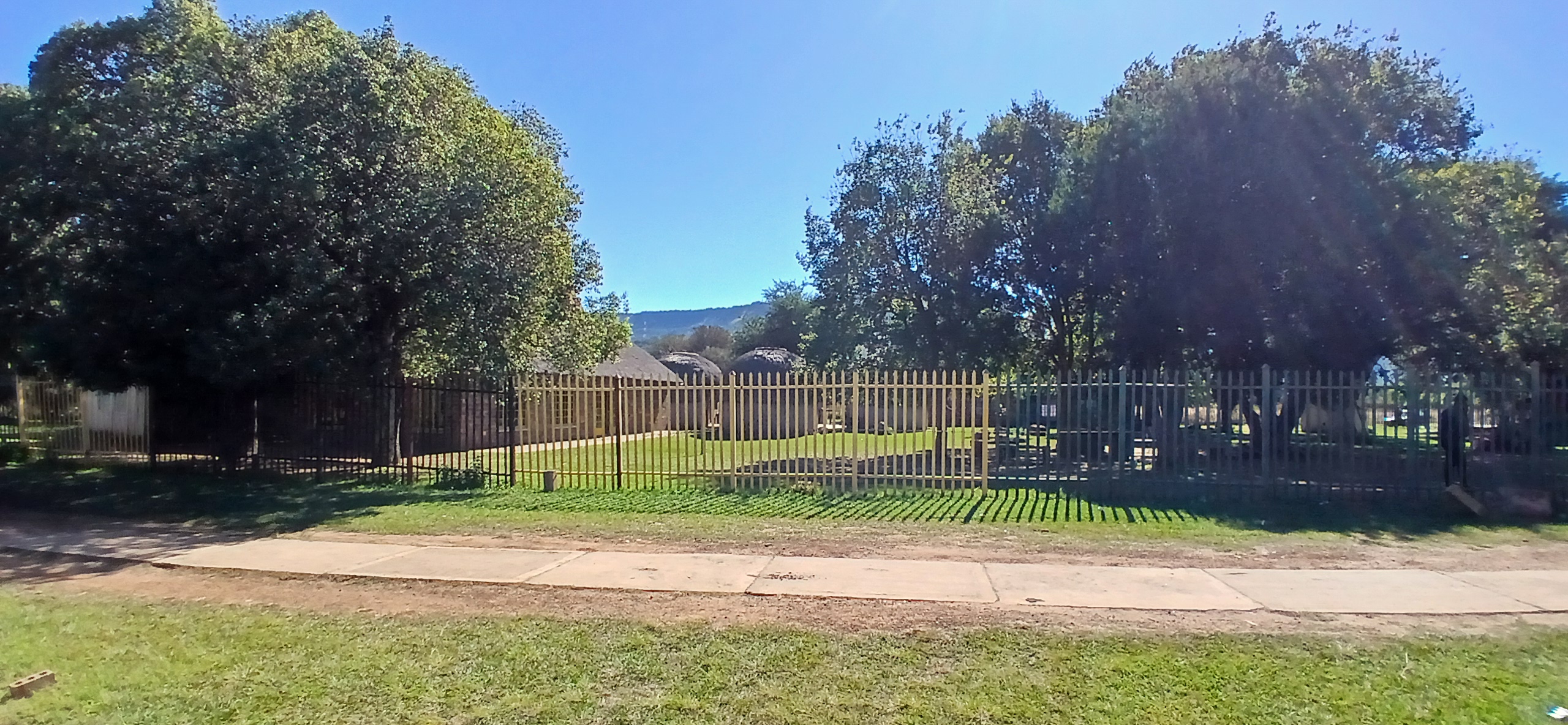
Today, this layered past is palpable. The municipality forms a vital part of the renowned Battlefields Route, with the historic Blood River meandering along its boundary. From the well-preserved Fort Utrecht Museum to the monumental sites of Isandlwana and Rorke’s Drift nearby, history enthusiasts find a profound connection to the epic stories that shaped South Africa.
A Destination for Adventure and Discovery
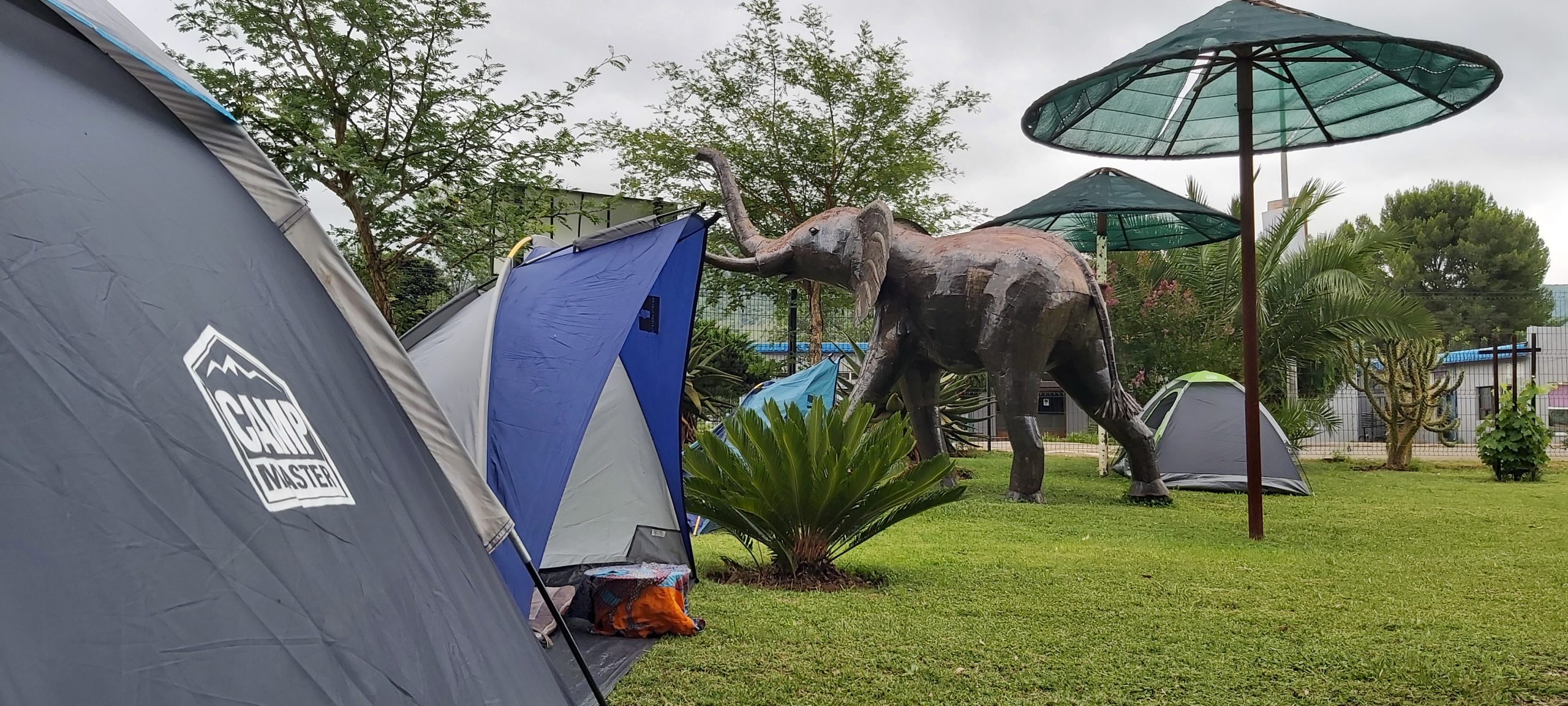
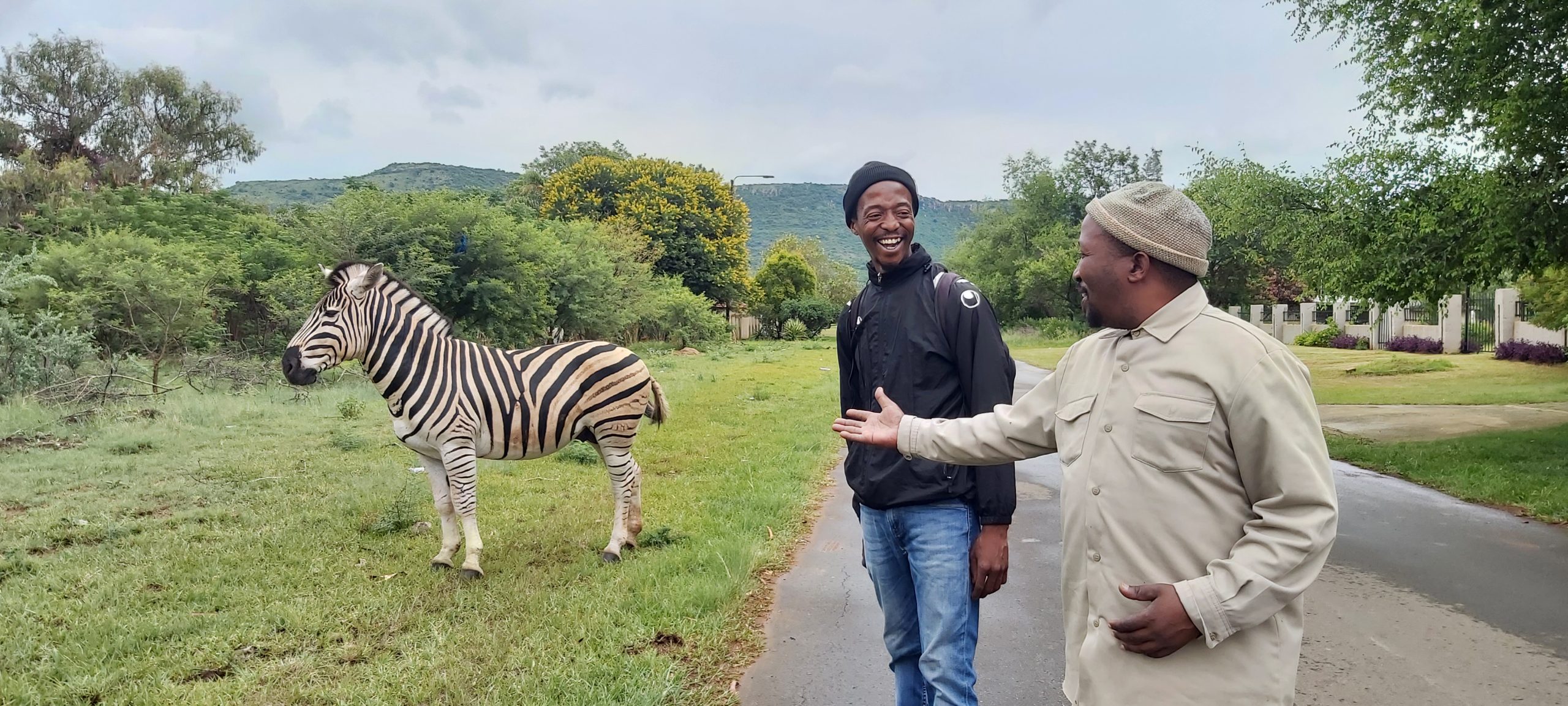
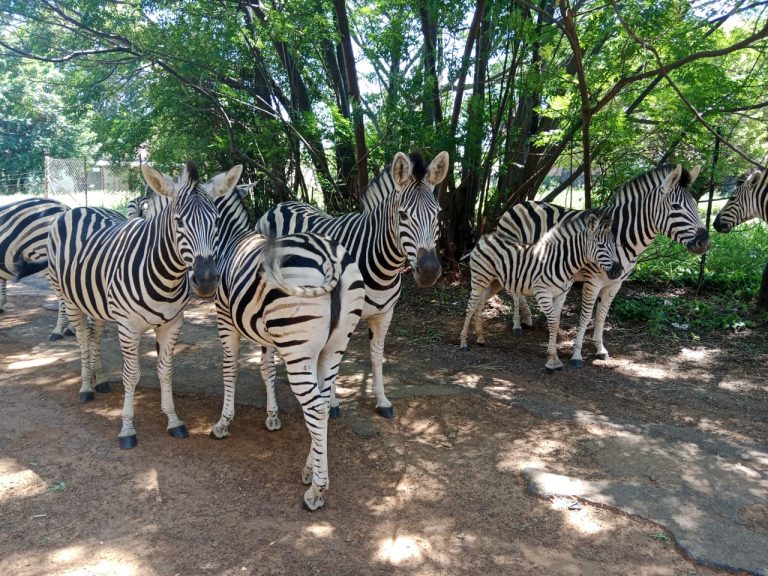
eMadlangeni offers a uniquely immersive experience. The historic town of Utrecht is uniquely nestled within the unfenced Balele Game Park, where giraffe, zebra, and antelope roam freely. This integration of town and wilderness is symbolic of the area’s character. Visitors and residents can enjoy:
Game viewing and self-drive safaris right on the town’s doorstep.
Hiking, mountain biking, and trout fishing in the pristine dams and foothills of the Balele and Hlobane mountains.
Exploring the Ncandu State Forest, the second-largest indigenous forest in KZN.
Following the historic trails of the Battlefields Route and Hlubi heritage.
A Community Poised for Thoughtful Growth
While agriculture is its backbone, eMadlangeni is proactively diversifying. Key opportunities in organic crops, timber, specialized livestock, and tourism are being developed. The municipality actively links farmers to markets and partners with organizations to provide skills and research, focusing on sustainable employment and a resilient future.
Visit, Invest, and Grow with Us.
eMadlangeni Municipality welcomes you to explore its profound heritage, invest in its agricultural and tourism potential, and experience the authentic beauty of a region built on history, sustained by the land, and aspiring toward a prosperous future.
A Vast and Breathtaking Landscape
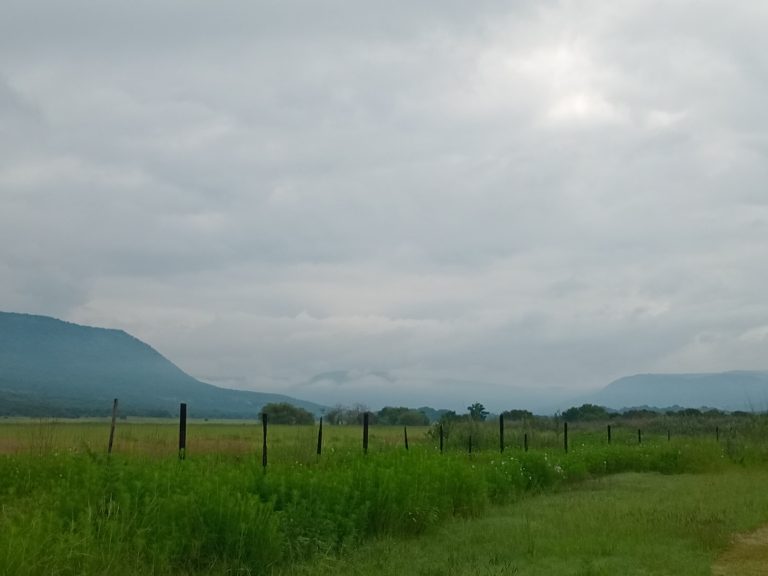
As the largest municipality in the Amajuba District, eMadlangeni spans approximately 3,539 km² of predominantly rural terrain. It is defined by wide-open skies, sweeping farmlands, and the dramatic Balele Mountains—an extension of the Drakensberg escarpment. This diverse environment creates a stunning natural backdrop and supports a thriving birding route that stretches towards Wakkerstroom, positioning the area as a budding corridor for eco-tourism.
The Agricultural Heartbeat
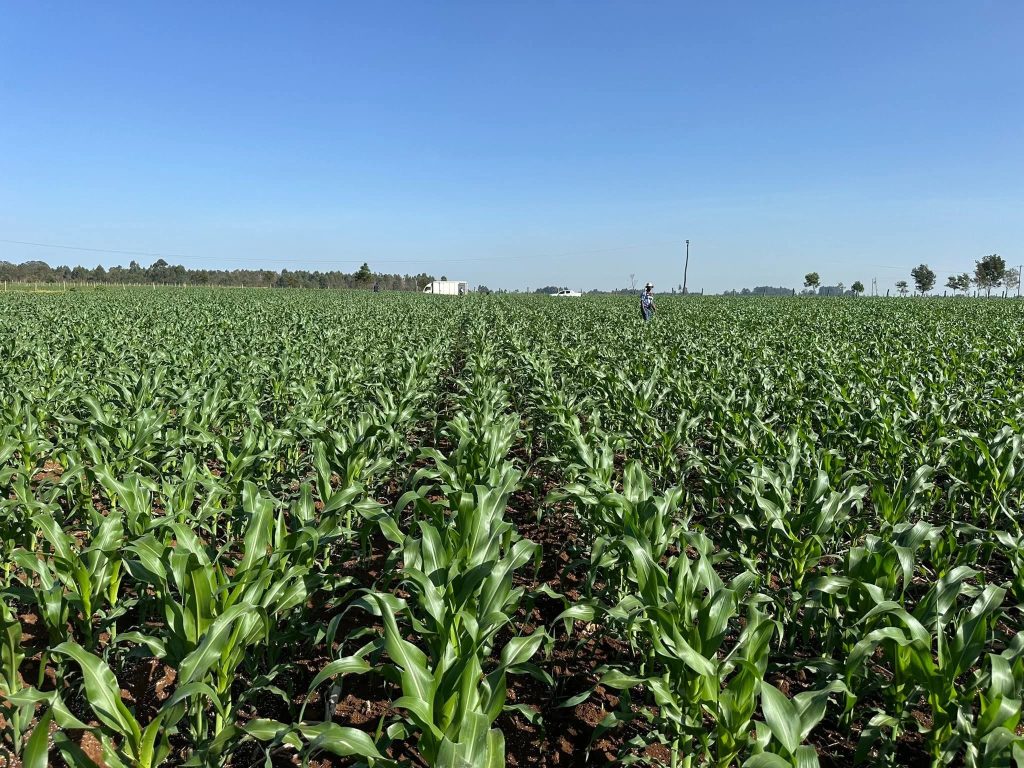
Agriculture is the cornerstone of eMadlangeni’s economy and community. The landscape is a dynamic blend of large-scale commercial farms, vibrant rural settlements, and five Traditional Councils.
Large-Scale Commercial Farming: Over 1,400 farms, including major operations, drive national food security and economic output.
Community & Emerging Farming: Innovative models are taking root, such as the province’s first Agri-Village in Groenvlei. Initiatives like the YARD (Youth in Agricultural Activities) association and land reform programmes are empowering a new generation of farmers.
Integrated Agri-Tourism: The 2,500-hectare Utrecht Community Game Farm within the Balele Game Park is a flagship project, blending sustainable cattle and game management with tourism—a model highlighting the potential for livestock, dairy, and game farming as key growth sectors.